


Giving has always been at the heart of biblical faith. From the earliest pages of Scripture to the teachings of Jesus and the early church, generosity appears again and again as a defining mark of a life aligned with God. The Bible does not treat giving as a religious obligation or a seasonal act. It presents it as a way of living—rooted in trust, compassion and obedience.
Across the United States, generosity still shapes Christian communities today. From food pantries run by local churches in Houston, to winter clothing drives organized by faith groups in Chicago, believers continue to live out biblical principles of giving in practical ways. Understanding what Scripture actually teaches about giving helps believers move beyond pressure-based generosity and into joyful, intentional faith.
Understanding Biblical Giving (Before the Verses)
Giving Is a Heart Posture, Not Just an Action
Biblical giving begins long before money changes hands. It starts in the heart. Scripture consistently shows that God is more concerned with why we give than how much we give.In both the Old and New Testaments, God rejects offerings that come from pride, fear or obligation. Instead, He honors gifts that flow from gratitude and trust.
This is why Jesus praised the widow who gave two small coins while others gave large sums. Her gift reflected faith, not surplus. Modern Christian communities reflect this truth every day. Many volunteers at local shelters in Los Angeles give hours of their time without recognition. Their generosity may never appear in a donation report, yet it carries deep spiritual weight.
RELATED POSTS:
Bible Verses and Passages About Endurance and Perseverance
Bible Verses About Doubt (Finding Faith When Questions Feel Heavy)
Bible Verses About Our Weakness (And How God’s Strength Meets Us There)
Why the Bible Emphasizes Generosity So Strongly

The Bible emphasizes generosity because generosity reflects God’s nature. God is not reluctant. He gives freely, consistently and sacrificially. Every major theme of Scripture, creation, redemption, grace and flows from God’s willingness to give. When believers live generously, they reflect His character to the world.
This is why generosity is never treated as optional in Scripture. It is a visible sign of inward transformation.Churches across Atlanta often teach generosity as part of discipleship, not fundraising. The focus is not money. It is spiritual maturity.
Forced Giving vs. Cheerful Giving
Scripture draws a clear distinction between forced giving and willing generosity. Forced giving leads to resentment. Cheerful giving produces joy and freedom. Paul makes this clear when he writes that God loves a cheerful giver. The word “cheerful” implies readiness, peace and willingness.
Giving done out of guilt or pressure misses the heart of biblical generosity. Faith-based nonprofits in Denver often highlight this principle by inviting people to give only if they feel led. This approach aligns more closely with Scripture than high-pressure appeals.
Scriptures That Reveal God’s Generous Nature
God as the Ultimate Giver (John 3:16 Explained)
John 3:16 is the clearest expression of generosity in the Bible. God gave His Son. Not because humanity earned it. Not because it was easy. But because love compelled Him.This verse defines biblical giving. True generosity costs something. It involves sacrifice. It flows from love rather than obligation.Every act of Christian generosity—whether financial, relational or spiritual—finds its foundation here.
Every Good Gift Comes From God (James 1:17)
James reminds believers that everything good originates with God. Income, skills, opportunities and resources are not random. They are entrusted.This perspective shifts from loss to stewardship. When believers recognize that what they have comes from God, generosity becomes a natural response rather than a difficult decision.Many churches in San Antonio teach stewardship classes that help members align finances with faith, reinforcing this biblical truth.
God’s Promise to Provide for the Generous (Philippians 4:19)
Philippians 4:19 is often quoted during financial hardship. But its context matters. Paul wrote these words to believers who had already demonstrated generosity.God’s promise is provision, not excess. He meets needs, not desires. This distinction keeps generosity grounded in trust rather than expectation.
Blessings Beyond Material Wealth (Ephesians 1:3)
Ephesians remind believers that spiritual blessings matter more than material ones. Peace, wisdom, purpose and hope often accompany a generous life.Many believers testify that generosity brings clarity and contentment that money alone cannot provide.
Key Scriptures on Giving With a Willing Heart

God Loves a Cheerful Giver (2 Corinthians 9:7)
This verse defines the posture of biblical giving. Giving should be intentional, joyful and free from pressure.Paul emphasizes personal decision-making. Each believer must decide in their own heart how to give. This removes comparison and competition from generosity.
Giving According to What You Have (2 Corinthians 8:12)
Scripture never asks believers to give what they do not have. God values faithfulness over scale.This truth is visible in many small-town churches across Iowa, where members give modestly but consistently. Their faithfulness sustains ministries just as powerfully as large donations elsewhere.
Honoring God Through Giving (Proverbs 3:9–10)
Proverbs links giving with honor. When believers give, they acknowledge God as their provider.This mindset transforms giving into worship. It shifts focus from personal security to divine trust.
Trusting God With Your Resources (Malachi 3:10)
Malachi’s message centers on trust, not transactions. God challenges His people to rely on Him rather than hoard resources.Misusing this verse as a financial guarantee misses its heart. The focus is obedience and faithfulness.
Scriptures That Teach Giving as a Lifestyle
Sowing and Reaping Explained (2 Corinthians 9:6)
Paul uses agricultural language for a reason. Seeds require patience. Growth takes time.Generosity often produces results in unexpected ways. A small act today may lead to lasting impact tomorrow.
Daily Generosity in Simple Actions (Luke 6:30)
Biblical generosity extends beyond formal giving. It includes everyday acts of kindness.Helping a neighbor move. Sharing a meal. Supporting a local outreach in Portland. These actions reflect biblical generosity just as clearly as financial gifts.
Giving Freely Without Expectation (Deuteronomy 16:17)
Giving loses meaning when tied to reward. Scripture encourages believers to give freely, without calculation.This principle guards the heart against transactional faith.
Storing Treasures in Heaven (Matthew 6:19–21)
Jesus reminds believers that what they value shapes their priorities. Earthly wealth fades. Eternal impact remains.This teaching challenges modern consumer culture and invites believers to rethink success.
Bible Verses About Giving to the Poor and Needy
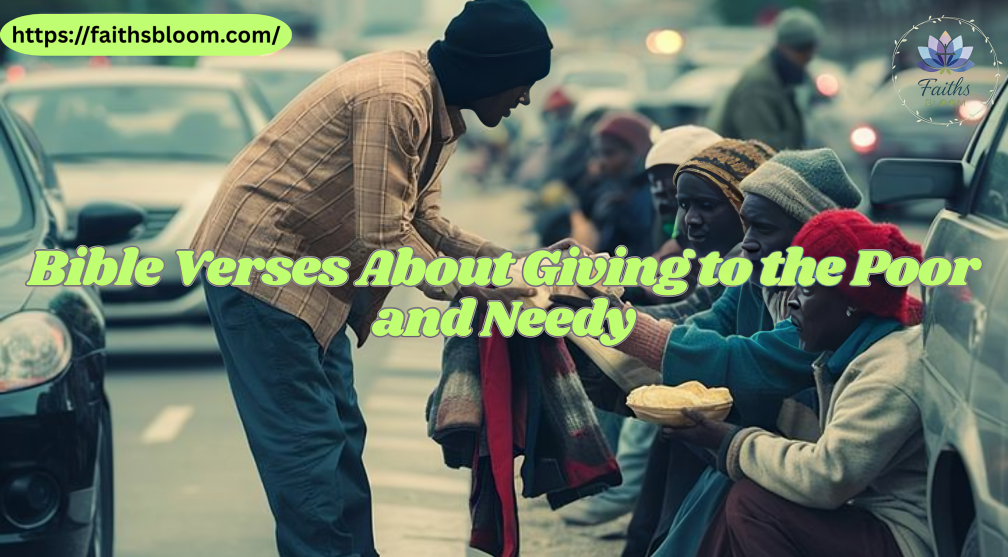
Helping the Poor Is Lending to the Lord (Proverbs 19:17)
Scripture places compassion at the center of faith. God identifies personally with the poor.This truth motivates many church-led initiatives in Detroit, where faith communities partner with local shelters and food banks.
Faith That Acts (James 2:15–16)
Words without action lack credibility. James challenges believers to match belief with behavior.
Generosity validates faith.
Giving in Secret (Matthew 6:2–4)
Jesus warns against public displays of generosity. True giving seeks God’s approval, not attention.This teaching promotes humility and sincerity.
Compassion as a Measure of Faith (1 John 3:17)
John speaks plainly. A closed heart reveals misplaced priorities.Generosity serves as evidence of genuine faith.
Powerful Examples of Generosity in the Bible
The Widow’s Offering (Luke 21:1–4)
The widow’s gift was small in amount but large in sacrifice. Jesus highlighted her example to redefine generosity.God measures faith, not figures.
The Early Church (Acts 4:32–35)
Believers shared resources freely. Needs were met. The community flourished.Modern churches in Minneapolis model this through shared benevolence funds and crisis support.
Abraham’s Generosity (Genesis 14:18–20)
Abraham gave willingly before the law required it. His generosity flowed from reverence.
The Philippian Church (Philippians 4:15–17)
Their generosity strengthened ministry and deepened partnership.Giving builds connection.
Giving Beyond Money: What the Bible Encourages
Time, Kindness and Service
Generosity includes presence. Time given often matters more than money.
Generosity of Spirit
Forgiveness. Patience. Encouragement. These acts reflect biblical generosity.
Teaching Children Generosity
Children learn generosity by example. Families that practice giving raise grounded believers.Youth programs in San Jose often integrate service projects to reinforce this value early.
Living Open-Handed Today
In a culture focused on accumulation, generosity stands out. It remains powerful and relevant.
How Practicing Biblical Giving Changes Your Life
Spiritual Growth
Generosity deepens trust in God.
Freedom From Greed
Giving loosens the grip of materialism.
Stronger Faith
Dependence shifts from income to God.
Community Impact
Generosity builds connection and resilience.
Common Misunderstandings About Giving
Is Giving Only About Tithing?
No. Scripture presents generosity as broader than percentages.
Does Giving Guarantee Financial Return?
No formula exists. God promises faithfulness, not profit.
What If I Have Very Little?
God honors willingness above all.
This Lie Can Keep You From Living Generously
Conclusion: Living Out the Scriptures on Giving Daily
Scripture presents giving as an invitation, not a demand. It calls believers to live open-handed lives rooted in trust and compassion. When generosity flows from faith, it transforms not only communities but hearts.
Whether through financial support, time or quiet acts of kindness, biblical giving reflects God’s character. Start where you are. Give what you can. Trust God with the rest. That is the generous life Scripture teaches.
FAQs
What is a powerful Bible verse about generosity?
2 Corinthians 9:7 emphasizes cheerful, willing giving.
What does Proverbs 19:17 mean?
Helping the poor is treated by God as a personal act of honor.
Where does the Bible say God loves a cheerful giver?
This is stated clearly in 2 Corinthians 9:7.
Is generosity only about money?
No. The Bible includes time, service and compassion.
