
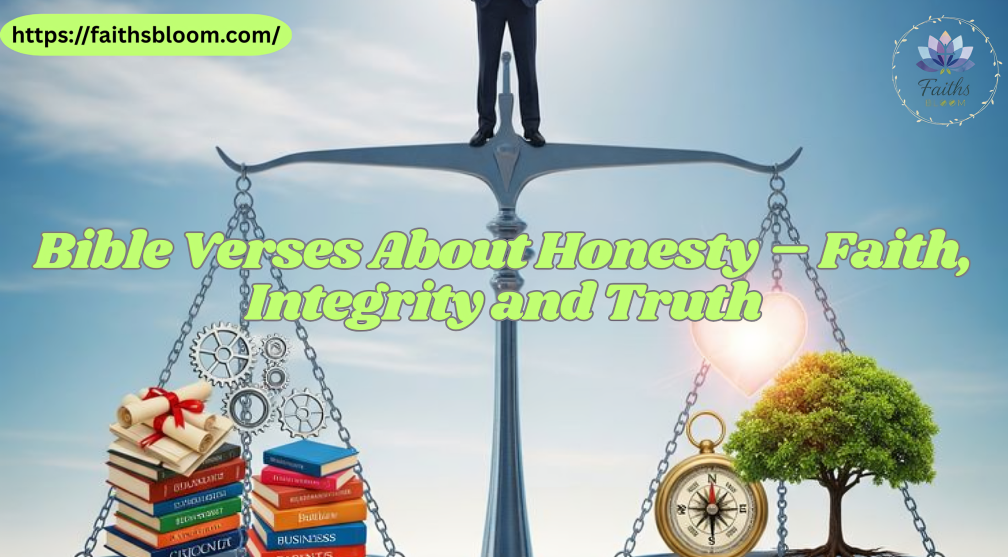
Honesty is a cornerstone of faith, shaping the way we interact with others and ourselves. In today’s fast-paced world, where trust can often feel fragile, turning to the Bible provides timeless guidance on living a life rooted in truth. Whether it’s in personal relationships, business dealings or daily decisions, biblical teachings emphasize the power and necessity of honesty. Understanding these principles not only strengthens spiritual growth but also enhances integrity, fosters deeper relationships and nurtures a life of genuine faith.
For Christians in the USA, the call to honesty goes beyond religious observance—it impacts community, family and professional life. Cities like Atlanta, New York and Houston host vibrant faith-based communities where honesty is celebrated in churches, local events and civic engagement. Incorporating these values into daily life helps individuals stand firm in their beliefs, navigate ethical challenges and inspire others to pursue truth. In this article, we will explore key Bible verses about honesty, practical applications in modern life and insights to help you integrate integrity into your everyday actions.
What the Bible Says About Honesty

Importance of Honesty in God’s Eyes
Honesty is not just a moral choice—it is a reflection of our faith. Proverbs 12:22 states, “The Lord detests lying lips but he delights in people who are trustworthy.” This verse emphasizes that truthfulness aligns with God’s heart, rewarding those who uphold integrity. Similarly, Ephesians 4:25 instructs, “Therefore, each of you must put off falsehood and speak truthfully to your neighbor, for we are all members of one body.”
In practical terms, honesty means being transparent in your dealings, whether at home, work or church. For example, in Chicago’s North Side, where local churches often host volunteer programs, volunteers are encouraged to maintain honesty in reporting their contributions, ensuring that community support is distributed fairly. By embracing truth, believers demonstrate authenticity and earn trust, reinforcing the value of integrity in everyday life.
Honesty as a Reflection of Integrity
Biblical honesty is intertwined with integrity—living consistently with moral and spiritual principles. 2 Corinthians 8:21 teaches, “For we are taking pains to do what is right, not only in the eyes of the Lord but also in the eyes of man.” This highlights the balance between divine guidance and human accountability. Proverbs 11:3 echoes this sentiment: “The integrity of the upright guides them but the unfaithful are destroyed by their duplicity.”
Integrity manifests in honesty even when no one is watching. Take, for example, local business ethics in smaller communities like Asheville, North Carolina. Companies that practice honesty in their customer dealings often build long-term loyalty and strengthen community trust, reflecting biblical principles in everyday commerce.
Bible Verses About Honesty in Different Areas of Life

Honesty in Relationships
Relationships thrive on truth. Proverbs 19:1 emphasizes, “Better is a poor man who walks in his integrity than a rich man who is crooked in his ways.” In families, honesty nurtures trust and reduces conflict. 1 John 3:18 reinforces this principle: “Dear children, let us not love with words or speech but with actions and in truth.”
Practical tips for honest relationships:
- Share your thoughts openly but with kindness
- Admit mistakes promptly and sincerely
- Maintain transparency in commitments
Community events, such as church fellowship groups in Seattle, often highlight the importance of honesty in fostering supportive relationships, with local mentors modeling these values for younger participants.
Honesty in Business and Work
The Bible offers guidance for ethical professional conduct. Proverbs 16:8 notes, “Better a little with righteousness than much gain with injustice.” Similarly, 2 Timothy 2:15 advises diligence and truth in work: “Do your best to present yourself to God as one approved, a worker who does not need to be ashamed and who correctly handles the word of truth.”
Applying biblical honesty in modern workplaces:
- Accurate reporting in financial and operational tasks
- Transparent communication with clients and colleagues
- Upholding ethical standards even under pressure
Businesses in major hubs like San Francisco integrate these principles into corporate culture, often partnering with faith-based organizations to foster ethical decision-making workshops.
Honesty in Personal Life and Self
John 8:32 declares, “Then you will know the truth and the truth will set you free.” Truthfulness begins with personal reflection and accountability. Psalm 112:5 highlights fairness and integrity in daily conduct, reminding believers that honesty is both inward and outward-facing.
Practical personal applications:
- Journaling your actions and intentions for self-reflection
- Seeking accountability partners in faith communities
- Aligning personal goals with moral and ethical standards
Honesty in Parenting and Teaching Kids
Teaching children honesty builds lifelong integrity. Proverbs 12:17 encourages, “A truthful witness gives honest testimony but a false witness tells lies.” Local Sunday schools in Dallas often integrate honesty lessons through stories, role-play and scripture memorization.
Tips for fostering honesty in children:
- Encourage truth-telling with positive reinforcement
- Use real-life examples from local events (like community service or school activities)
- Discuss consequences of dishonesty in age-appropriate ways
Common Misunderstandings About Honesty
Honesty is sometimes misunderstood as bluntness or harshness. Balancing truth with kindness is essential. Faith teaches that honesty without compassion can harm relationships, while integrity without courage can lead to compromise.
Difference Between Brutal Honesty and Truthful Integrity
| Brutal Honesty | Truthful Integrity |
| Focuses on truth only, disregards feelings | Balances truth with empathy and context |
| Can damage relationships | Builds trust and strengthens bonds |
| Reaction-driven | Principle-driven |
Believers in places like Boston integrate these lessons through church seminars and workshops, learning how to communicate truth while honoring others’ dignity.
Practical Ways to Apply Bible Teachings on Honesty
- Daily Prayers: Include verses like Proverbs 12:22 or Ephesians 4:25 in personal devotionals
- Journaling: Track personal decisions and reflect on honesty in actions
- Faith Communities: Engage in mentorship programs and small groups emphasizing truth in actions
Local events, such as charity drives in Miami or faith-based volunteer initiatives in Philadelphia, offer tangible ways to practice honesty in real-world situations.
Top Bible Verses About Honesty
| Verse | Scripture | Key Insight |
| Proverbs 12:22 | “The Lord detests lying lips…” | God values truth above all |
| Ephesians 4:25 | “Speak truthfully to your neighbor…” | Honesty nurtures community trust |
| 2 Corinthians 8:21 | “Do what is right…” | Integrity in all actions matters |
| John 8:32 | “The truth will set you free” | Personal freedom through honesty |
| Philippians 4:8-9 | “Think about what is true…” | Mindset aligns with truthful living |
Honesty and Integrity in Modern Life
Modern life often challenges honesty, from social media interactions to professional pressures. Biblical principles guide believers to navigate these challenges with integrity. In local contexts, like faith-based nonprofits in Chicago or volunteer groups in Portland, honesty is modeled through transparent reporting, ethical fundraising and responsible leadership.
Bible Verses On Honesty | Scriptures About Being Honest | What Does The Bible Say About Honesty
Conclusion
Honesty is a reflection of faith, shaping character, relationships and community trust. By following biblical teachings, believers in the USA can navigate daily challenges with integrity, ensuring their actions align with both spiritual and ethical principles. Incorporating honesty into family life, work and personal reflection strengthens faith and fosters deeper connections with others.
By living truthfully, we inspire trust, model integrity and honor God’s guidance in our everyday decisions. Whether teaching children, managing a team or interacting with neighbors, the power of honesty transforms lives. Let these Bible verses about honesty guide your actions, inspire your choices and anchor your faith in the unchanging truth of God’s word.
FAQs About Bible Verses on Honesty
What does God say about honesty?
God values truthfulness in every aspect of life. Proverbs 12:22 emphasizes that lying is detestable, while integrity pleases Him.
What is a famous Bible verse about honesty?
John 8:32 – “Then you will know the truth and the truth will set you free.”
What does Proverbs 19:17 say?
It teaches kindness and honesty in helping others, linking generosity with righteous living.
What does Jeremiah 33:3 say about truth and honesty
God invites believers to call on Him, promising honest guidance and revelation.
How can I teach honesty to my kids?
Use examples, reinforce positive behavior and integrate scripture in daily lessons.
How can honesty improve my relationships?
By building trust, preventing misunderstandings and fostering deeper connections.
RELATED POSTS:
Bible Verses About Faithfulness (Meaning, Practical Insights And Daily Applications)
Bible Verses About Integrity (Meaning, Examples and Life Applications)
Bible Verses About Contentment: Learning to Find Peace and Satisfaction in God